
What Are Winter Weather Transportation Challenges?
February 2026 brought devastating winter weather transportation challenges across the northeastern United States. Historic blizzards dumped over 30 inches of snow. Consequently, spot rates surged 40% as carriers struggled to maintain service. Refrigerated transport rates jumped 45 cents weekly. Additionally, dry van prices climbed 20 cents. These increases marked the sharpest spikes since 2023. Extreme weather events strain transportation networks nationwide.
What Caused Recent Storm Disruptions?
Winter Storm Hernando created unprecedented operational problems. Multiple weather systems converged across the northeastern corridor between February 22-24, 2026. Therefore, major disruptions occurred throughout the region.
Widespread Highway Closures
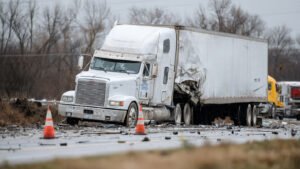
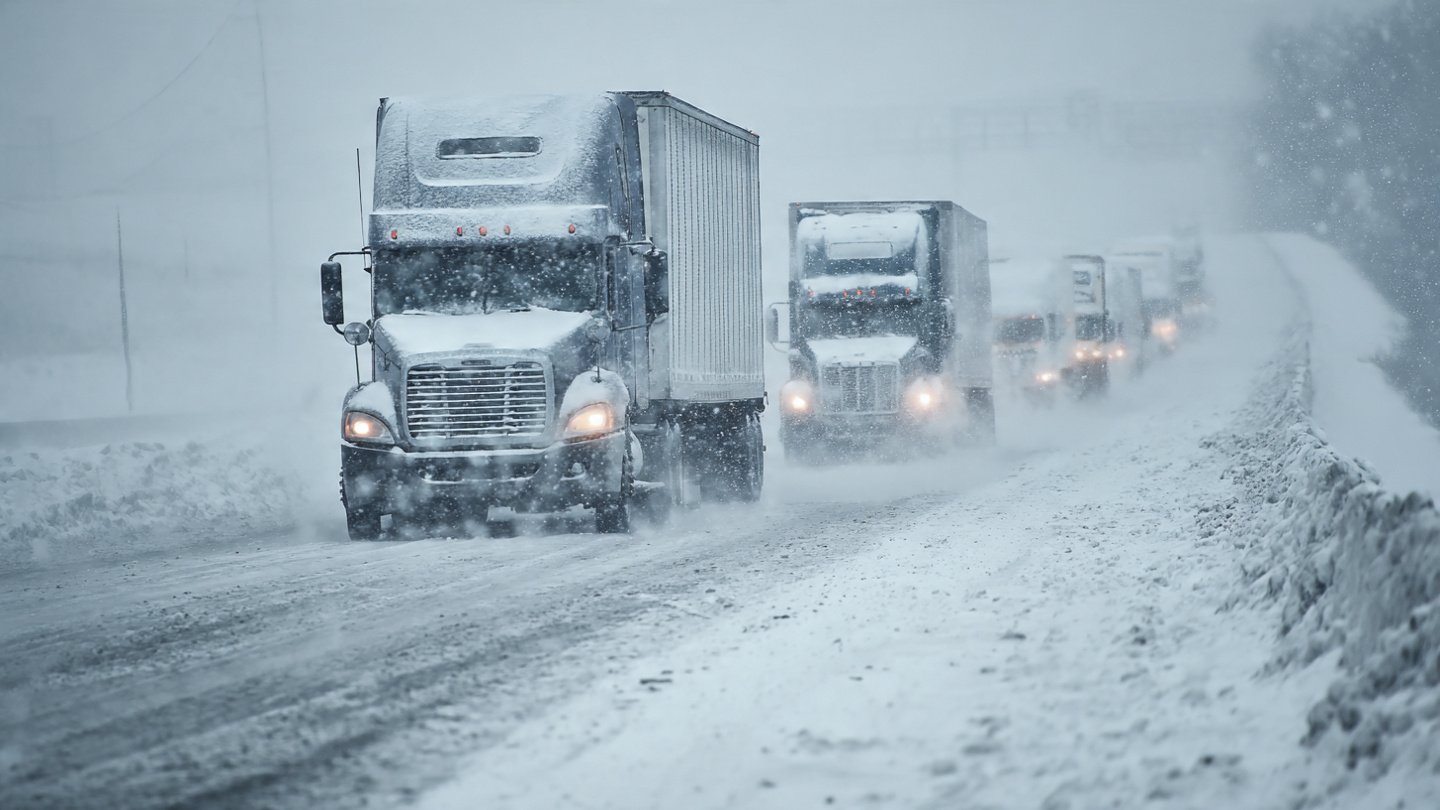
Major interstates became impassable. Blowing snow reduced visibility to near-zero levels. State transportation departments closed critical freight corridors. For instance, portions of I-80 and I-70 shut down completely. Truck drivers faced extended delays. They waited for plows to clear roads. Pennsylvania deployed 170 salt trucks. Moreover, crews prepared 60,000 tons of road treatment materials. Massachusetts activated its National Guard. Furthermore, officials restricted commercial truck movement during peak storm hours. Road closures created immediate capacity shortages. Equipment became stranded far from scheduled delivery locations.
Capacity Constraints Drove Rate Spikes
Severe weather removed available trucking capacity overnight. Load postings surged while equipment availability plummeted. Consequently, refrigerated capacity tightened dramatically. Shippers scrambled to protect temperature-sensitive cargo from freezing. The market reaction exceeded September 2024 disruptions after Hurricane Helene. During that event, spot loads only rose 17%. However, this storm created much larger impacts. Reduced buffer capacity means short weather events now produce outsized pricing effects. Additionally, these impacts persist beyond the storm itself.
Rail Terminal Congestion
Disruption migrated upstream into inland rail hubs. Highway restrictions eventually eased. Then, Memphis, Chicago, and Cincinnati terminals experienced post-storm congestion. Delayed containers flooded facilities. Average container availability times doubled. Specifically, they increased from one day to two days. Union Pacific’s Memphis facility saw availability spike from 0.7 days to 2.9 days. Transit times between Kansas and Illinois jumped to 80 hours. Subsequently, they settled near 35 hours. Drivers waited up to five hours inside terminals. They missed delivery windows. This triggered demurrage exposure.
How Do Winter Weather Transportation Challenges Affect Operations?
Transportation companies face multiple simultaneous problems during severe winter conditions. These issues compound throughout operations.
Extended Transit Times
Reduced speeds mandated by hazardous conditions extend delivery cycles. Snow and ice force drivers below normal highway speeds. Therefore, loads requiring 10 hours might need 16 hours during storms. Chain requirements add additional delays at mountain passes. Installation takes time. Furthermore, it reduces speeds considerably. Extended cycles mean equipment cannot complete planned trips. This creates downstream scheduling problems affecting future loads.
Equipment Mechanical Failures
Extreme cold accelerates mechanical issues. Maintenance downtime increases across fleets. Diesel fuel gelling immobilizes trucks when temperatures drop. Battery failures spike during subzero periods. Electrical systems struggle under cold stress. Similarly, frozen brakes occur more frequently. Tire failures and hydraulic problems plague equipment in harsh winter environments. Maintenance costs rise significantly. Shops handle increased repair volumes. Parts shortages develop for cold-weather components.
Driver Safety Concerns
Federal data reveals concerning statistics. Specifically, 24% of weather-related crashes occur on snowy, slushy, or icy pavement. Professional drivers face heightened accident risks. Even decades of experience cannot eliminate dangers in adverse conditions. Black ice creates particularly treacherous situations. Traction disappears without visible warning. Additionally, reduced visibility from blowing snow limits reaction time. Drivers cannot see obstacles, stopped vehicles, or wildlife quickly enough. FMCSA issued emergency declarations. Hours-of-service relief extended through February 20, 2026. This recognized extreme demands on drivers during widespread winter emergencies.
Which Strategies Mitigate Winter Weather Transportation Challenges?
Proactive planning reduces disruption severity. It also accelerates recovery when severe weather strikes.
Pre-Position Critical Inventory
Moving essential supplies outside forecasted storm footprints helps considerably. This should occur before weather arrives. Warehouses in unaffected regions can supply customers. Primary distribution centers may become inaccessible. Pre-positioning requires accurate forecasting. It also needs advance coordination between shippers and carriers. However, this strategy prevents desperate capacity searches. These searches drive spot rates to extreme levels during active storms.
Enhance Carrier Communication
Increasing communication frequency with carriers prevents silent failures. Loads sometimes get dropped without notification. Multi-touch dispatch systems catch problems earlier. Alternative solutions remain available then. Real-time GPS tracking provides visibility into actual truck locations. Consequently, shippers can adjust customer expectations. This happens before delivery windows pass. Clear communication protocols matter. They establish who contacts whom under various weather scenarios.
Utilize Advanced Forecasting
AI-driven route optimization identifies high-risk lanes early. This occurs before drivers depart terminals. Historical weather data combines with live forecasts. Together, they predict disruptions 48-72 hours ahead. Automated alerts allow proactive rerouting. Dispatchers can act before problems develop. Technology platforms integrate weather intelligence with transportation management. They provide decision support that manual processes cannot match. Investment in sophisticated forecasting tools pays returns. Reduced delays and avoided premium freight costs result.
Maintain Contingency Plans
Documented protocols reduce decision paralysis. Storms sometimes strike without warning. Contingency plans specify customer priorities during capacity shortages. Alternative carrier relationships provide backup options. Primary providers cannot always execute. Similarly, flexible delivery windows help considerably. These should be negotiated in advance. They reduce pressure during recovery periods. Backlogs strain networks then. Companies with robust contingency planning resume normal operations faster. Those making real-time crisis decisions struggle longer.
Key Takeaways
February 2026 blizzards demonstrated how winter weather transportation challenges create nationwide capacity shortages. Dramatic rate increases resulted. Even short-duration events cause these problems now. Spot rates surged 40% as severe conditions removed available capacity. This occurred across the northeastern United States. Ripple effects spread through rail terminals and intermodal hubs. Moreover, reduced industry buffer capacity means market reactions exceed historical patterns. Previous weather disruptions did not create such large impacts. Consequently, refrigerated equipment shortages loom during the approaching produce season. Elevated pricing could extend well beyond immediate storm recovery. Proactive strategies help. These include inventory pre-positioning, enhanced carrier communication, and advanced forecasting technology. Documented contingency plans also matter. They reduce disruption severity. They accelerate operational recovery when extreme weather strikes critical freight corridors.
Preparing for Future Weather Events
Transportation companies must invest in sophisticated planning tools. Operational strategies that reduce vulnerability matter increasingly. Winter weather transportation challenges are becoming more frequent. They are also becoming more severe. Recent storm impacts prove reactive approaches cost significantly more. Proactive preparation through technology, communication, and strategic carrier partnerships delivers better results.
Source: TheTrucker.com, Metro Global, Wikipedia, Travel Research Online, Global Forwarding