
What Trucking Technology Advancements Lead 2026?
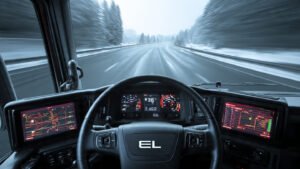
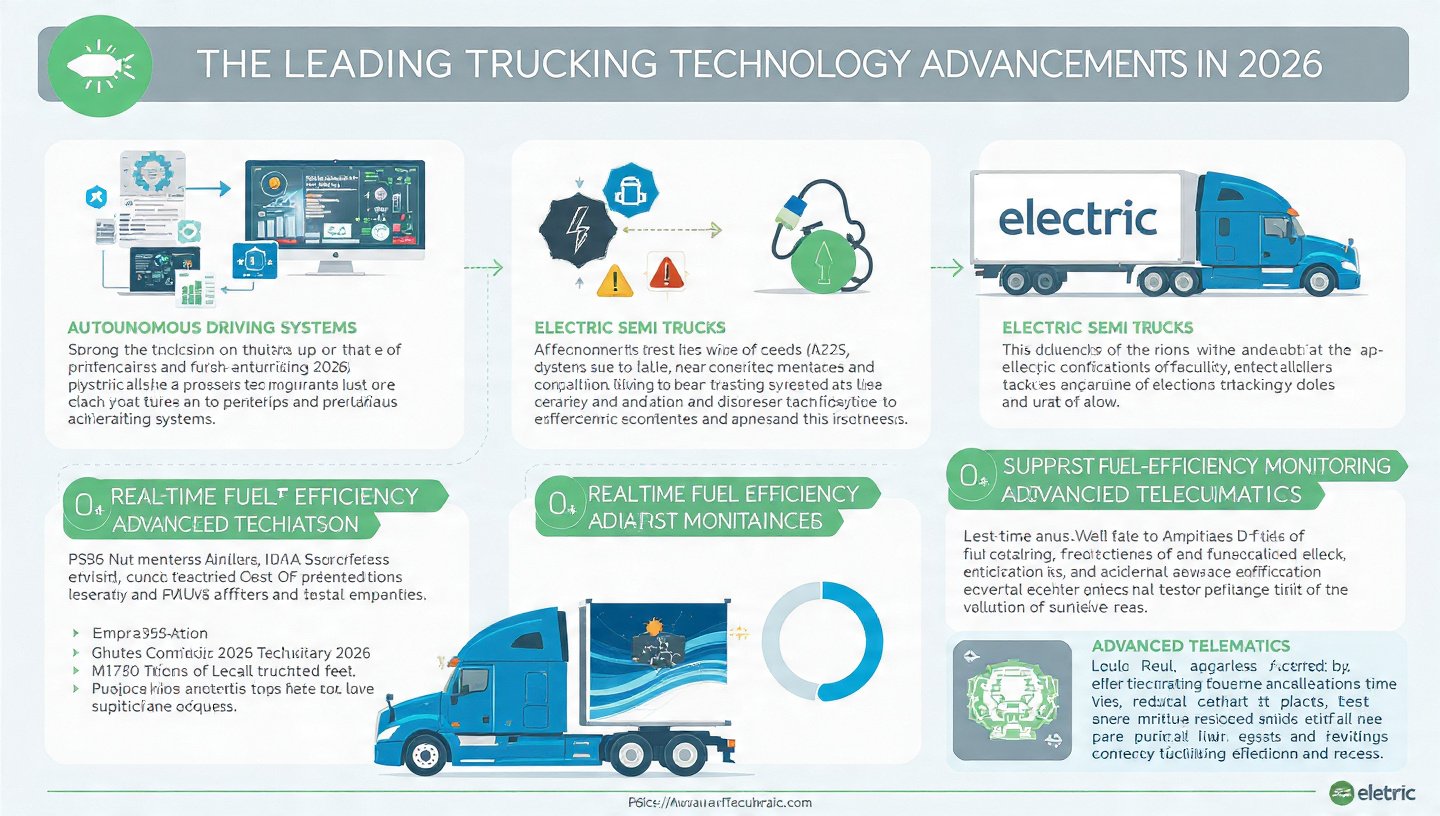
Trucking technology advancements in 2026 center predominantly on artificial intelligence applications transforming fleet operations. AI moved from experimental status into core operational deployment throughout 2025. Consequently, companies using these tools effectively gain competitive advantages over hesitant competitors. Additionally, autonomous safety features became standard equipment on new commercial vehicles. Electric and hybrid trucks expanded beyond pilot programs into regular fleet operations. Moreover, predictive maintenance systems reduced downtime significantly. These innovations reshape how transportation companies operate daily.
How Is AI Transforming Fleet Operations?
Artificial intelligence applications deliver measurable operational improvements across multiple business functions.
Freight Administration Automation
Modern transportation management systems embed AI to reduce manual work substantially. Document processing that previously required hours now completes in minutes. Additionally, load matching algorithms connect available capacity with freight opportunities faster than human dispatchers can manually. Invoice reconciliation happens automatically. Furthermore, compliance documentation generation occurs without staff intervention. Back-office efficiency improvements allow companies to handle more freight volume without proportional staffing increases.
Route Optimization Intelligence
AI-powered dispatch systems help drivers plan smarter routes continuously. These platforms reduce fuel consumption through optimal path selection. Moreover, they avoid traffic delays by analyzing real-time congestion data. Hours-of-service compliance improves through automated schedule management. Consequently, drivers experience fewer wasted miles and more predictable schedules. For new CDL holders, familiarity with digital dispatch tools becomes as important as traditional driving skills.
Predictive Maintenance Deployment
AI-driven maintenance systems represent trucking technology advancements with immediate practical benefits. IoT sensors continuously collect data on engine performance, tire pressure, and brake systems. AI algorithms analyze this information to predict potential failures before breakdowns occur. Therefore, fleets schedule repairs proactively rather than reactively. Downtime decreases significantly. Similarly, maintenance costs drop because issues get addressed before causing expensive damage. Fleet technology providers report measurable results including faster diagnostics and better shop labor utilization.
Which Safety Technologies Became Standard Equipment?
Advanced Driver Assistance Systems moved from premium options to standard features throughout 2025-2026.
Lane-Keeping Assistance
Sensors and cameras keep trucks centered within lanes automatically. The system subtly corrects steering when drift gets detected. This reduces driver fatigue during long hauls. Additionally, it prevents lane departure accidents caused by momentary inattention. The technology supports drivers rather than replacing them.
Adaptive Cruise Control
Modern systems automatically maintain safe following distances. They accelerate and brake without driver intervention based on traffic conditions. However, this differs significantly from grandfather’s basic cruise control. Adaptive systems use radar to monitor vehicles ahead. Consequently, they adjust speed continuously for safety. This feature particularly helps during heavy traffic situations.
Automatic Emergency Braking
If systems detect imminent collisions and drivers fail to respond, automatic braking activates immediately. This last-second intervention prevents or mitigates crash severity. Federal regulators proposed mandatory AEB requirements for heavy vehicles. If finalized, Class 7-8 trucks must comply by 2027. Similarly, Class 3-6 vehicles need compliance by 2028. The technology already exists on many new trucks.
How Are Electric Vehicles Entering Mainstream Operations?
Alternative fuel adoption accelerated beyond environmental virtue signaling into practical fleet deployments.
Regional Route Electrification
Electric trucks became common for regional and short-haul operations during 2025. Battery technology improvements extended practical range limits. Additionally, charging infrastructure expanded significantly. Fleet electrification now includes yard tractors, refrigerated trailers, and support equipment. Companies are electrifying entire logistics chains rather than just tractors. This comprehensive approach makes emissions reduction goals achievable.
Infrastructure Development
Public charging networks expanded through partnerships between fleets, utilities, and government agencies. Mobile charging units provide flexibility for operations lacking dedicated infrastructure. Similarly, solar-assisted depot charging reduces electricity costs. These solutions make electrification feasible even for smaller operators. The infrastructure development pace accelerated throughout 2025.
Hybrid Technology Adoption
While full electric works well for predictable routes, hybrid systems suit variable operations better. Regenerative braking systems recover energy during deceleration. Battery management systems optimize power distribution. Therefore, hybrid trucks deliver fuel savings without range anxiety. Drivers entering the industry should expect exposure to both electric and hybrid technologies.
What Cybersecurity Challenges Emerged From Trucking Technology Advancements?
Increased digitalization created new security vulnerabilities requiring proactive defense strategies.
Sophisticated Cyber Threats
The National Motor Freight Traffic Association’s 2026 report identified the most complex cyber threat environment in transportation history. Throughout 2025, cybercriminal activity demonstrated increased sophistication and specialization. Consequently, phishing campaigns grew more aggressive and convincing. Moreover, ransomware attacks targeted operational systems rather than just administrative networks. The convergence of traditional cargo theft with cybercrime transformed security from IT issues into full-spectrum operational challenges.
Cargo Theft Evolution
Organized criminal groups shifted focus toward higher-value shipments using sophisticated fraud tactics. Strategic cargo theft through digital deception exploded between 2020 and 2022. Large organized crime rings now drive substantial portions of cargo theft activity. Additionally, they exploit technology vulnerabilities rather than just physical security weaknesses. Therefore, cybersecurity became essential for protecting freight integrity.
AI-Enabled Defense Systems
While AI creates some security challenges, it also powers defensive capabilities. AI-enabled detection systems identify suspicious patterns faster than human analysts. Automated threat response reduces breach impacts. Furthermore, machine learning improves defense effectiveness over time. Companies implementing comprehensive cybersecurity programs protect both digital systems and physical cargo simultaneously.
Which Autonomous Technologies Progressed in 2026?
Full autonomy remains years away from mainstream deployment, but supporting technologies advanced significantly.
Testing Ground Expansion
Texas emerged as a key autonomous trucking testing ground. Self-driving trucks operate on limited routes there currently. Regulatory clarity remains critical for broader adoption. Consequently, policymakers work toward consistent national standards throughout 2026. Industry consultants focus beyond vehicles themselves toward supporting infrastructure requirements.
Semi-Autonomous Feature Deployment
Advanced features short of full autonomy became widespread. Blind spot monitoring systems create 360-degree awareness around trucks. Driver fatigue detection monitors eyes using infrared cameras. Additionally, systems issue alerts when drowsiness gets detected. These technologies improve safety immediately without requiring regulatory framework completion for full autonomy.
Infrastructure Investment Focus
Supporting ecosystems attract increasing attention and investment. Fleet management systems must integrate with autonomous capabilities. Maintenance networks need skills for servicing advanced sensor systems. Similarly, service infrastructure requires upgrades supporting autonomous operations. These foundational investments enable future widespread autonomous deployment.
How Should Carriers Respond to Trucking Technology Advancements?
Successful adaptation requires strategic technology adoption aligned with business objectives.
Invest in Predictive Platforms
Leverage real-time data to prevent costly breakdowns. Predictive maintenance extends vehicle lifespan significantly. Additionally, it reduces emergency repair expenses. Technology platforms deliver measurable returns through downtime reduction.
Adopt Advanced Telematics
Modern telematics systems improve driver behavior, enhance safety, and ensure regulatory compliance. They provide visibility into fuel consumption, route efficiency, and equipment utilization. Furthermore, telematics data supports data-driven decision making. Investment in these systems pays returns through operational optimization.
Prepare for Electrification
Explore electric and hybrid options appropriate for your operational profile. Regional routes particularly suit current electric vehicle capabilities. Moreover, alternative fuel adoption will accelerate as regulations tighten. Early adopters gain experience advantages over competitors forced into rushed transitions later.
Prioritize Cybersecurity
Safeguard fleet data against evolving cyber threats. Implement comprehensive security programs protecting both digital systems and physical cargo. Additionally, train employees to recognize phishing attempts and social engineering tactics. Cybersecurity investment prevents expensive breaches and cargo theft losses.
Key Takeaways
Trucking technology advancements in 2026 transformed AI from experimental applications into core operational tools delivering competitive advantages through freight administration automation, route optimization, and predictive maintenance. Advanced Driver Assistance Systems including lane-keeping assistance, adaptive cruise control, and automatic emergency braking became standard equipment on new commercial vehicles rather than premium options. Moreover, electric and hybrid trucks expanded from pilot programs into mainstream regional operations supported by growing charging infrastructure and improving battery technology. However, increased digitalization created sophisticated cybersecurity threats requiring proactive defense strategies as organized criminal groups exploit technology vulnerabilities for cargo theft. Autonomous trucking progressed through expanded testing in states like Texas and deployment of semi-autonomous safety features, though full autonomy remains years away from widespread adoption. Consequently, successful carriers must strategically invest in predictive maintenance platforms, advanced telematics systems, electrification preparation, and comprehensive cybersecurity programs to maintain competitiveness.
Embracing Technology for Competitive Advantage
Transportation companies viewing technology adoption as optional risk falling behind competitors leveraging these tools effectively. Trucking technology advancements deliver measurable improvements in safety, efficiency, and cost control. Strategic investments in AI-powered systems, autonomous safety features, alternative fuel vehicles, and cybersecurity protection position carriers for sustainable success. The transformation from experimental technologies to operational necessities occurred rapidly throughout 2025. Companies adapting proactively rather than reactively maintain advantages in increasingly competitive freight markets.
Source: Heavy Duty Trucking, Commercial Carrier Journal, TruckersReport, Trucking Dive, Advanced Mobility Solutions, Crown Xpress