
What Is the Life of a Truck Driver?
Federal regulations, physical demands, and long stretches of open highway define the life of a truck driver in ways most people never consider. Professional drivers operate within a highly structured environment governed by the Federal Motor Carrier Safety Administration. Understanding what that life actually involves helps shippers, dispatchers, and the general public appreciate the skilled labor behind every delivered load.
Daily Routines That Drive the Industry
Drivers typically begin their shift with a pre-trip inspection before a single mile is logged. Hours of Service rules under 49 CFR Part 395 dictate when they may drive, when they must rest, and how many hours are permitted within a rolling window. Consequently, time management becomes one of the most critical skills a professional driver develops. Meals, fuel stops, weigh station checks, and delivery appointments must all align within a tight operational framework.
Physical and Mental Demands on the Road
Prolonged sitting, irregular sleep schedules, and isolation create genuine health challenges. Research from the National Institute for Occupational Safety and Health identifies cardiovascular risk, obesity, and fatigue as disproportionately common among long-haul drivers. Moreover, navigating high-traffic corridors, construction zones, and adverse weather conditions requires sustained concentration. The mental load of the life of a truck driver is rarely reflected in public perception of the profession.
Regulatory Compliance as a Daily Responsibility
Every driver operating a commercial motor vehicle must maintain a valid CDL, comply with Electronic Logging Device mandates, and pass regular DOT medical examinations. Additionally, drug and alcohol testing under the FMCSA Clearinghouse program applies throughout a driver’s career. Non-compliance carries serious consequences including out-of-service orders and license disqualification. Therefore, staying current with federal requirements is not optional.
Technology Changing How Drivers Work
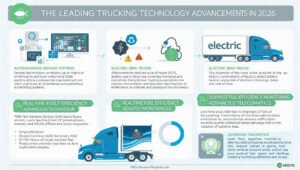
Modern trucks are equipped with collision mitigation systems, lane departure warnings, and real-time GPS tracking. ELD devices automatically capture Hours of Service data, reducing paperwork while increasing accountability. Furthermore, load boards and dispatch apps allow drivers to receive assignments and communicate with fleet managers remotely. As a result, technology has fundamentally reshaped the operational experience within the life of a truck driver.
Financial Realities of the Profession
Compensation structures vary widely. Company drivers typically earn per-mile rates, while owner-operators manage their own fuel, insurance, and maintenance costs. According to the Bureau of Labor Statistics, the median annual wage for heavy and tractor-trailer truck drivers was approximately $54,320, though experienced drivers in specialized freight lanes can earn significantly more. However, fuel volatility and freight market fluctuations directly affect take-home income.
Time Away From Home and Family
Over-the-road drivers routinely spend weeks away from their families. Regional and local routes offer more predictable schedules, but long-haul assignments remain a significant portion of available work. Consequently, personal relationships require active management. Many carriers have responded by offering more home-time-friendly lane options to address driver retention challenges.
Career Development and Advancement
The life of a truck driver does not have to remain static. Drivers can advance into training roles, fleet management, dispatch, or operations supervision. Specialized endorsements such as hazardous materials, tanker, and double/triple trailers open additional earning opportunities. Furthermore, consistent safety records create competitive advantages when applying for better-paying positions or lease-to-own programs.
What Drivers Say Keeps Them on the Road
Despite the challenges, many professional drivers cite independence, the ability to see the country, and pride in keeping supply chains moving as core motivators. The life of a truck driver carries real professional dignity. Drivers are classified as essential workers, a designation confirmed during national supply chain disruptions that revealed just how dependent the economy is on this workforce.
Actionable Insights for Those Considering a Trucking Career
- Obtain a CDL through an FMCSA-approved program and understand HOS rules before your first solo run.
- Research regional versus over-the-road options to align schedule expectations with personal priorities.
- Build a clean safety record from day one, as CSA scores follow drivers throughout their careers.
- Stay current with FMCSA Clearinghouse requirements and complete all required registrations.
- Invest in health management routines to counter the physical demands of long hours behind the wheel.
- Understand your pay structure, whether per-mile, percentage, or salary, before signing any contract.
Key Takeaways
The life of a truck driver operates within a tightly regulated federal framework that governs hours, health, equipment, and conduct. Physical and mental demands are real and documented. Technology continues reshaping day-to-day operations. Financial outcomes vary by route type, experience, and market conditions. Career growth is achievable through endorsements, clean records, and operational expertise. Above all, professional drivers remain the backbone of the U.S. freight economy.
Acknowledging what the life of a truck driver genuinely involves is not merely informational. It is foundational to building a workforce that can meet the demands of modern freight transportation with competence and professionalism.
Source: Bureau of Labor Statistics (BLS.gov), FMCSA (fmcsa.dot.gov), National Institute for Occupational Safety and Health (NIOSH), FreightWaves